RV & Trailer Pads
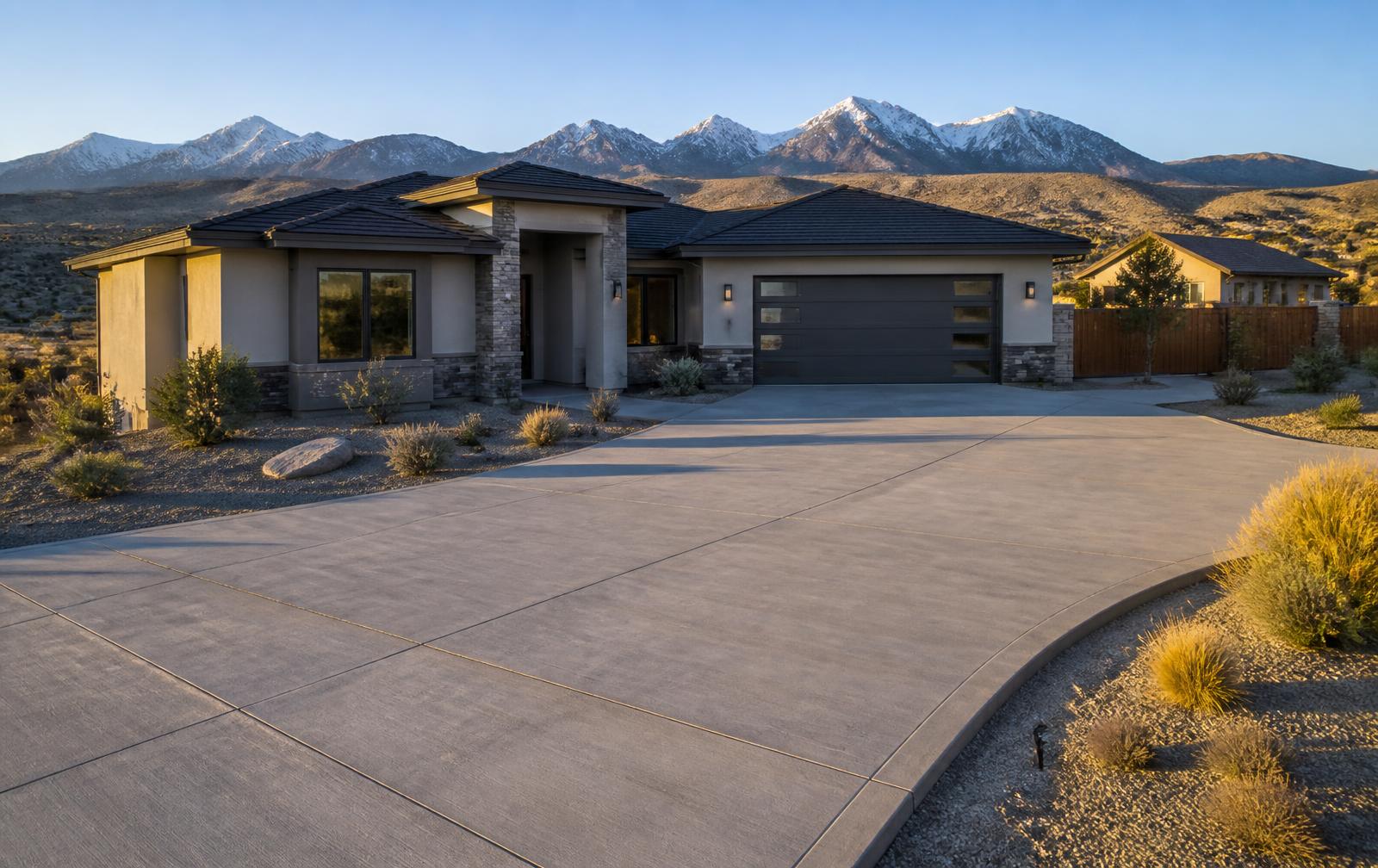
Concrete RV Pads in Reno, NV
Parking pads built for the weight that actually sits on them — loaded coaches, fifth wheels, boats and work trailers.
- Typical thickness
- 5–6" with a rebar grid
- Loading
- Concentrated at jacks, stabilizers and tandem axles
- Base
- Thicker compacted base than a standard driveway
- Extras
- Access strip, apron tie-in, utility sleeves
An RV pad is not a driveway. A parked coach concentrates enormous load on a handful of contact points — leveling jacks and closely spaced tandem axles — and it sits in the same spot for months. That combination will crack a standard 4-inch residential slab.
Pads are usually poured alongside a driveway widening or a driveway replacement, and the same design thinking appears on shop and equipment slabs.
Building an RV pad that holds up
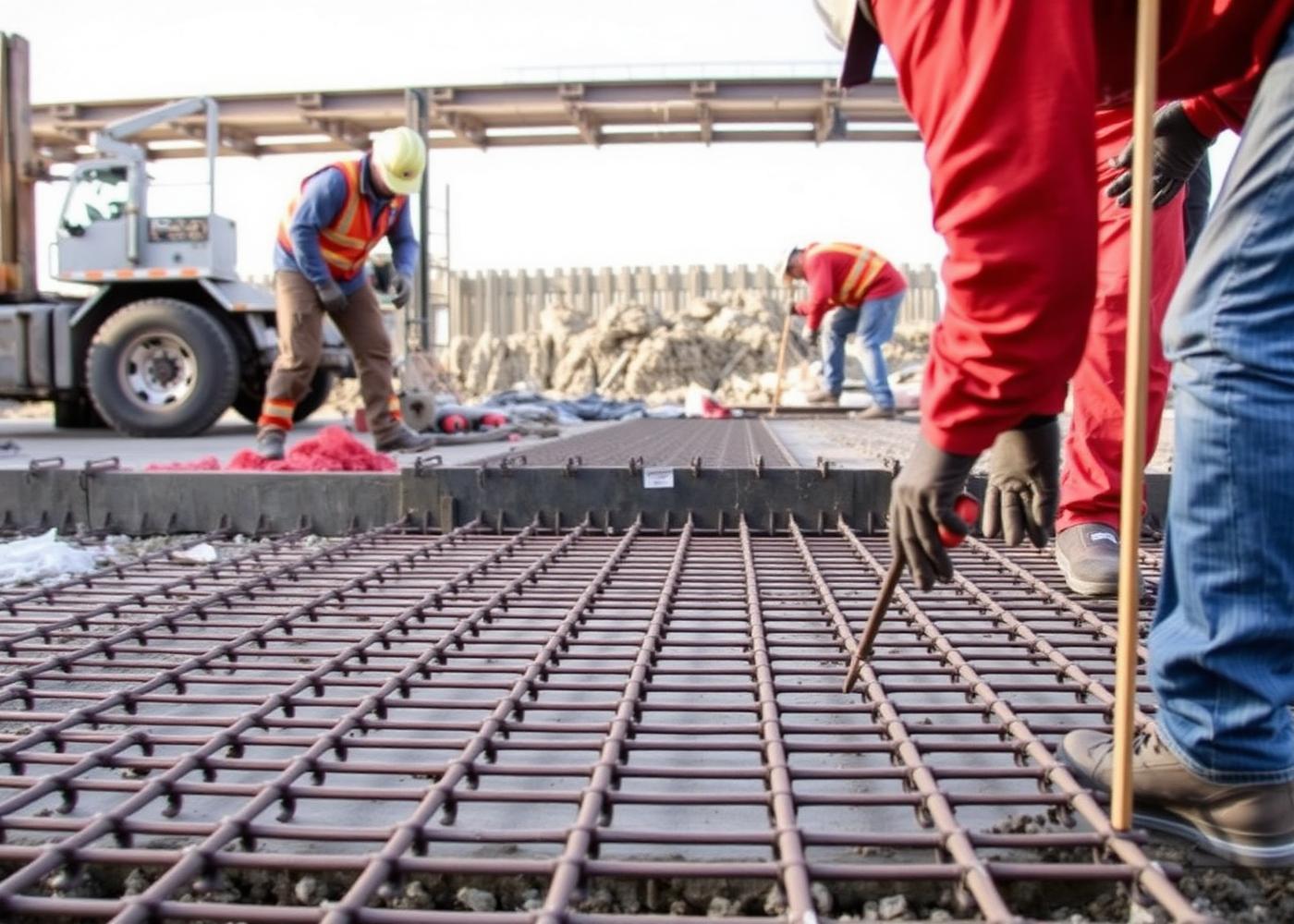
- Thickness of 5–6 inches with a #4 rebar grid is the practical baseline for a loaded coach or fifth wheel.
- Deeper compacted base, because point loads travel down into the subgrade rather than spreading out.
- Drainage and slope away from the house and off the pad — standing water under a rig that never moves is how surfaces deteriorate.
- Access considered. The turn-in from the street or driveway needs enough radius and a tie-in that will not chip under tail-swing.
- Utilities planned early. Power, water and sewer cleanout sleeves are placed before the pour, never cored after.
- Length with margin. Add room beyond the rig for the tongue, hitch, slide-outs and awnings.
Sizing rough guide
| Rig | Pad width | Pad length |
|---|---|---|
| Travel trailer | 10–12 ft | 25–35 ft |
| Fifth wheel | 12 ft | 35–45 ft |
| Class A coach | 12–14 ft | 40–50 ft |
| Boat and trailer | 10–12 ft | 25–30 ft |
Confirm with your actual rig dimensions plus working room — a pad that is two feet short is a permanent annoyance.
Questions we get asked
Concrete RV Pads in Reno, NV: common questions
How thick should an RV pad be?
Generally 5 to 6 inches with a rebar grid over a well-compacted base. Leveling jacks and tandem axles concentrate load in small areas, which is what breaks thinner slabs.
Do I need a permit for an RV pad?
Requirements vary by jurisdiction and can involve setbacks, lot coverage limits and HOA rules. It is worth checking before design.
Should the pad connect to my existing driveway?
Usually yes, with an isolation joint between the two so they can move independently. The approach also needs enough turning radius for the rig.
Where we do this work
Crews work throughout the Reno–Sparks area. Pick your community for local notes on soils, permitting and typical projects.
Free project estimates
Talk through your concrete project with someone who pours it
Describe the area, the condition of any existing concrete and how you want to use the space. You'll get straight answers on scope, sequencing and what drives the price.
Next step
Get a site-specific estimate
Concrete pricing depends on access, subgrade, thickness, reinforcement and finish, so real numbers come from looking at the site. Send the details or call (775) 324-5551.
- Walk-through of the area and existing concrete condition
- Scope, thickness, reinforcement and finish options in writing
- Clear explanation of what would change the price
- No pressure to decide on the spot