Guides & FAQ
Concrete FAQ for Reno, NV
The questions we answer most often, from cure times to why new concrete cracks.
Reno sits at about 4,500 feet with roughly 50 freeze-thaw cycles a year, wide day-to-night temperature swings, single-digit humidity in summer and expansive or rocky subgrade depending on which side of the valley you are on. Those four conditions decide almost everything about how concrete should be placed here: mix design and air entrainment, cure protection, joint spacing, and how much attention the subgrade gets before anyone calls for a truck.
Below are the questions that come up on nearly every estimate. Deeper guides: installation process, how long concrete lasts, repair versus replacement, driveway maintenance, patio maintenance and concrete versus asphalt.
Timing and curing
- Foot traffic: usually within 24–48 hours, weather depending.
- Vehicles: typically about a week on a residential driveway, longer in cold weather.
- Full design strength: concrete continues gaining strength for weeks; 28 days is the standard reference point.
- Sealing: wait until the slab has dried sufficiently — we give a specific window at the walkthrough.
Design questions
- Thickness: 4 inches for cars and foot traffic; 5–6 inches for trucks, trailers, RV pads and shop floors.
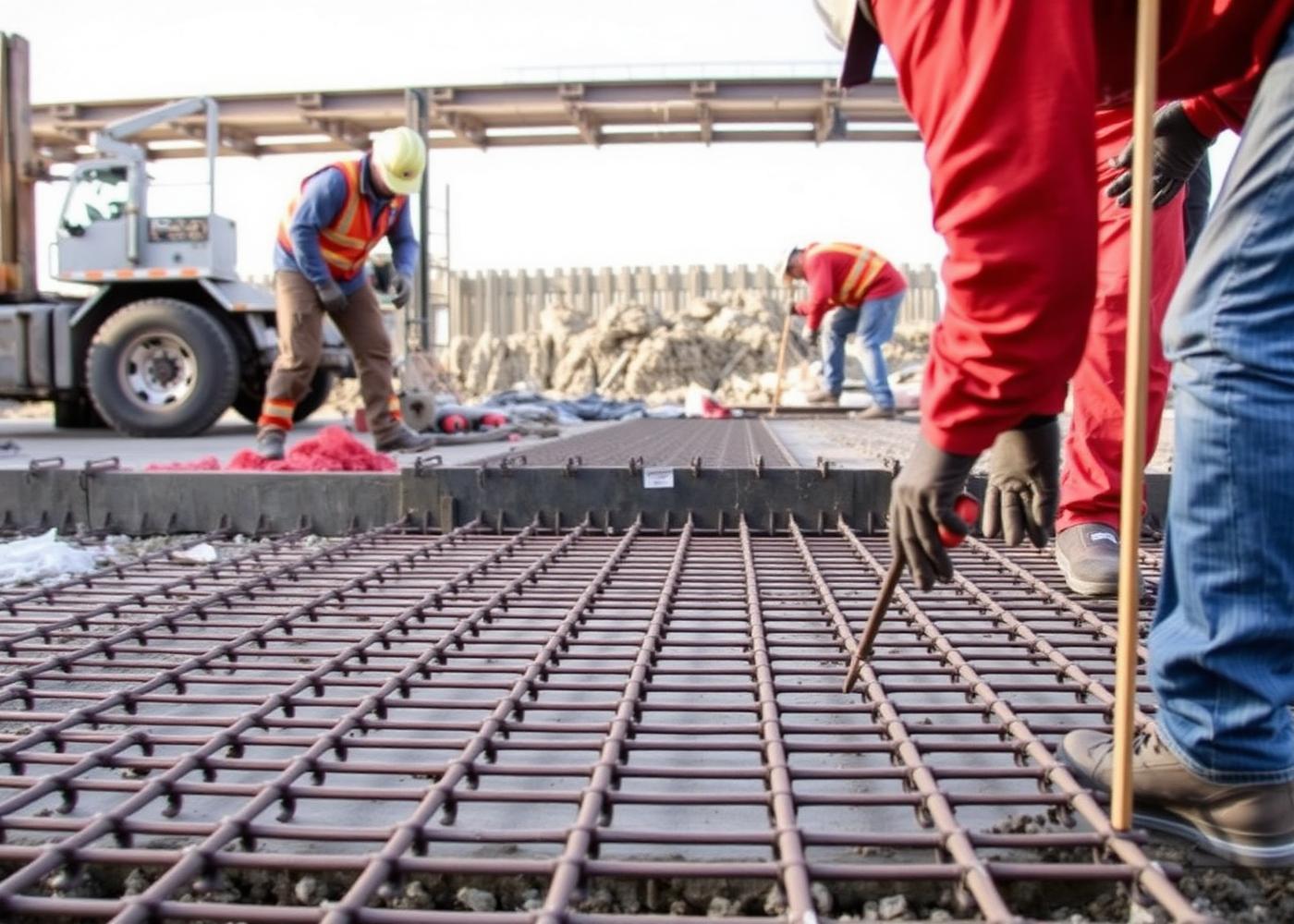
- Reinforcement: fiber for light residential flatwork, a rebar grid for vehicle loads and poor subgrade.
- Joints: cut early, spaced so panels stay reasonably square — this is how cracking gets controlled.
- Finish: broom for traction outdoors; see concrete finishes.
Money and decisions
Pricing factors are broken down in the cost guides. For failing concrete, the question is whether the base is sound: if it is, repair or resurfacing makes sense; if it is not, replacement is the durable answer.
Questions we get asked
Concrete FAQ for Reno, NV: common questions
Why did my brand-new concrete crack?
Fine shrinkage cracks are normal as concrete cures and loses water; they matter only if there is displacement or they keep widening. Structural cracking usually points to base, thickness, reinforcement or jointing problems.
Should concrete be sealed in Reno?
Sealing helps in a freeze-thaw climate by keeping water out of the surface, and it is especially worthwhile on decorative work and garage floors. It needs renewing periodically.
Can concrete be poured in winter here?
Yes, with cold-weather mixes, blankets and extended cure protection, but not onto frozen subgrade. Spring through fall gives the widest window.
How long should concrete last in Northern Nevada?
Properly built residential flatwork commonly lasts 30 years or more. Thin, unreinforced slabs over poor base often fail in well under half that.
Is de-icing salt bad for concrete?
Yes. De-icers accelerate surface scaling and spalling, particularly on concrete under a year old. Sand is the safer traction option on new slabs.
Where we do this work
Crews work throughout the Reno–Sparks area. Pick your community for local notes on soils, permitting and typical projects.
Free project estimates
Talk through your concrete project with someone who pours it
Describe the area, the condition of any existing concrete and how you want to use the space. You'll get straight answers on scope, sequencing and what drives the price.
Next step
Get a site-specific estimate
Concrete pricing depends on access, subgrade, thickness, reinforcement and finish, so real numbers come from looking at the site. Send the details or call (775) 324-5551.
- Walk-through of the area and existing concrete condition
- Scope, thickness, reinforcement and finish options in writing
- Clear explanation of what would change the price
- No pressure to decide on the spot