Replacement
Concrete Replacement in Reno, NV
Full removal and repour for slabs past the point of patching, including the base correction that keeps the new concrete from repeating the old one's failure.
- Includes
- Demo, haul-off, base rework, reinforcement, new pour
- Applies to
- Driveways, patios, walkways, steps, floors, aprons
- Key upgrade
- Correct thickness, joints and drainage this time
- Timeline
- Most residential jobs run a few days plus cure time
Replacement is the right answer when the slab has run out of life: settled panels, map cracking, deep scaling, or a slab that was never thick enough for what parks on it. Done properly, it is also a chance to correct the original mistakes — base compaction, drainage, joint layout and thickness.
Below: how replacement projects run, what gets upgraded, and what drives the cost. If you have not decided yet, read repair versus replacement first, or look at concrete repair for what can be saved. For specific surfaces, see driveway replacement and patio replacement.
How a replacement project runs
- 1Assessment. Cause of failure, slab thickness, reinforcement, subgrade condition and drainage all get looked at before anything is quoted.
- 2Protection and utility locating. Landscape, sprinklers and utilities marked. Irrigation lines under old flatwork are common and worth finding first.
- 3Demolition. Saw-cut clean lines, break out the slab, load and haul off. Old concrete is typically recycled.
- 4Base correction. This is the part that separates a good replacement from a repeat. Remove soft material, import and compact base rock, correct grade and drainage.
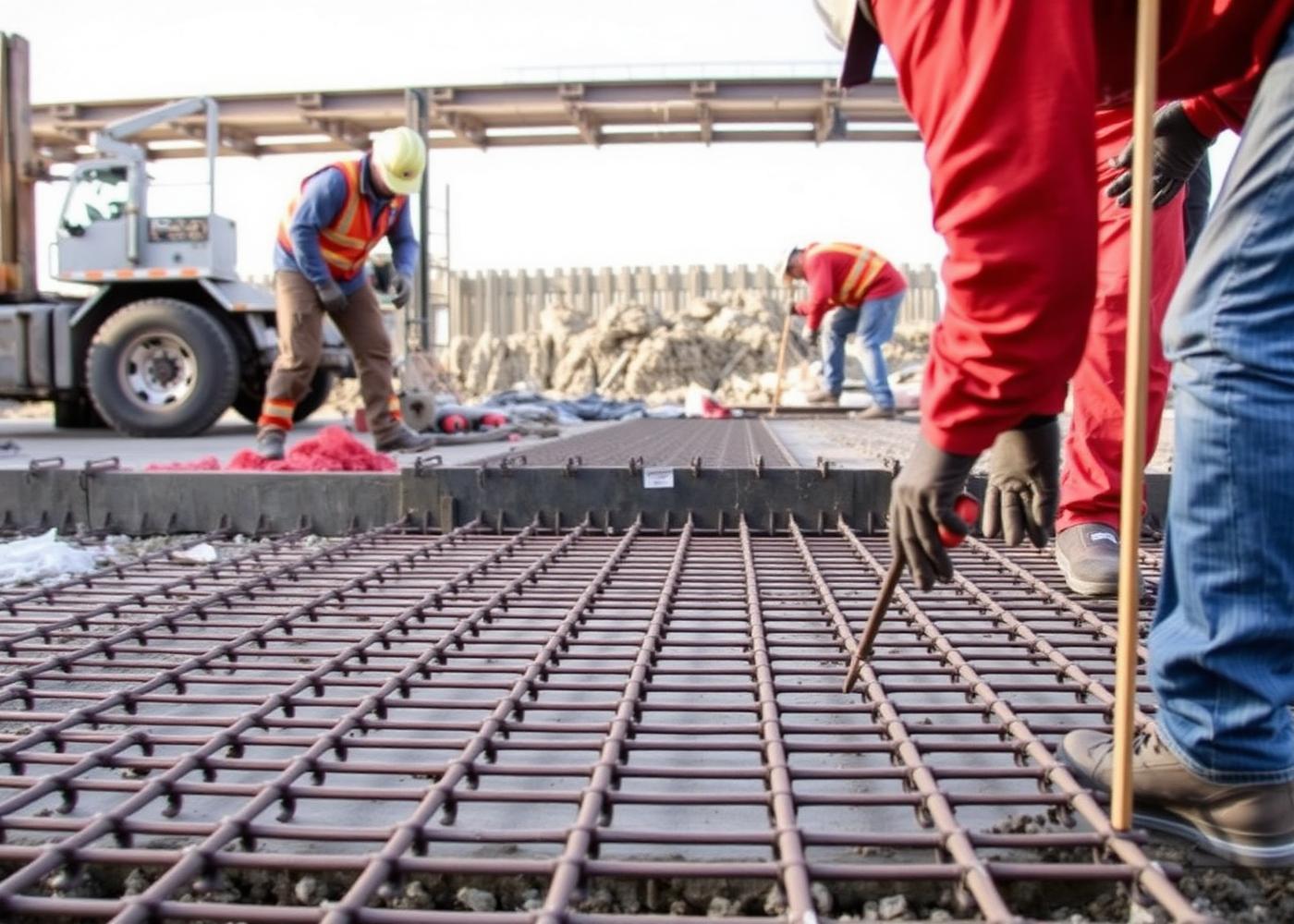
- 5Forming and reinforcement. Correct thickness for the intended use, rebar grid or fiber, dowels at tie-ins to slabs that stay.
- 6Placement and finish. Broom, stamped, exposed aggregate or hard trowel — see concrete finishes.
- 7Joints and cure. Control joints cut on time, cure protection appropriate to the season.
- 8Cleanup and restoration. Backfill edges, restore landscaping disturbed at the perimeter.
What to upgrade while the concrete is out
Once the old slab is gone, several improvements cost far less than they would as separate projects:
- Thickness and reinforcement matched to today's vehicles rather than the 1970s sedan the drive was built for
- Drainage — regrade to move water away from the house, add a trench drain, fix a low spot at the apron
- Widening the drive or extending the patio while forms are already being set
- Conduit or sleeves under the slab for future lighting, gates or irrigation
- Footings for a pergola, seat wall or gate post
- Finish upgrade to stamped or decorative concrete
- Tie-in work to walkways, steps or the garage floor
Cost drivers and disruption
What moves the price
- Square footage and slab thickness being removed
- Reinforcement in the old slab (heavily reinforced concrete takes longer to break out)
- Haul-off volume and dump fees
- Access for equipment and trucks
- Base correction depth and imported material
- New slab thickness, reinforcement and finish
See replacement cost factors and the general Reno concrete cost guide.
What to expect during the work
Demolition day is loud and dusty. Driveway access is lost for the duration, so plan parking. Most residential replacements are demo one day, prep and forming the next, and pour after that, with weather and inspections shifting the schedule. Then comes cure time before traffic returns.
Doing it once, properly
The failures we get called back to look at almost always share the same root causes: base that was never compacted, joints spaced too far apart, a slab poured too thin for the loads, and water allowed to sit against or under the concrete.
A replacement that corrects all four is a 30-year slab. One that only swaps the concrete is a 15-year slab at best. Ask any contractor what base preparation is included, what thickness and reinforcement they are pricing, and how joints will be laid out. If those answers are vague, keep looking. See how long concrete lasts for realistic expectations, and our process for how we sequence the work.
Questions we get asked
Concrete Replacement in Reno, NV: common questions
How long does a driveway replacement take?
Most residential replacements take a few working days for demolition, base prep and the pour, followed by a cure period before vehicles return. Weather, inspections and site access are the usual variables.
Do I have to replace the whole slab or just the bad section?
Not always. Concrete can be saw-cut at joint lines and replaced panel by panel when the rest of the slab is sound and level. Partial replacement is common on driveways where only the apron or one panel has failed.
What happens to the old concrete?
It is hauled off and typically recycled into aggregate rather than landfilled. Disposal volume is part of what you are paying for in a replacement estimate.
Can you replace concrete in winter?
Demolition can happen most of the year, but placement needs conditions that allow a safe cure — unfrozen subgrade and temperatures that can be held with blankets and cold-weather mixes. Sometimes the honest answer is to wait for a better window.
Related concrete services & guides
Where we do this work
Crews work throughout the Reno–Sparks area. Pick your community for local notes on soils, permitting and typical projects.
Free project estimates
Talk through your concrete project with someone who pours it
Describe the area, the condition of any existing concrete and how you want to use the space. You'll get straight answers on scope, sequencing and what drives the price.
Next step
Get a site-specific estimate
Concrete pricing depends on access, subgrade, thickness, reinforcement and finish, so real numbers come from looking at the site. Send the details or call (775) 324-5551.
- Walk-through of the area and existing concrete condition
- Scope, thickness, reinforcement and finish options in writing
- Clear explanation of what would change the price
- No pressure to decide on the spot