Garage Floors
Concrete Garage Floors in Reno, NV
New garage slabs, tear-out and replacement, and repair of floors damaged by road salt, freeze-thaw and settlement.
- Typical thickness
- 4" residential, 5–6" for lifts and heavy vehicles
- Under the slab
- Compacted base and a vapor barrier
- Common damage
- Spalling from road salt carried in on tires
- Slope
- Pitched to the door so meltwater drains out
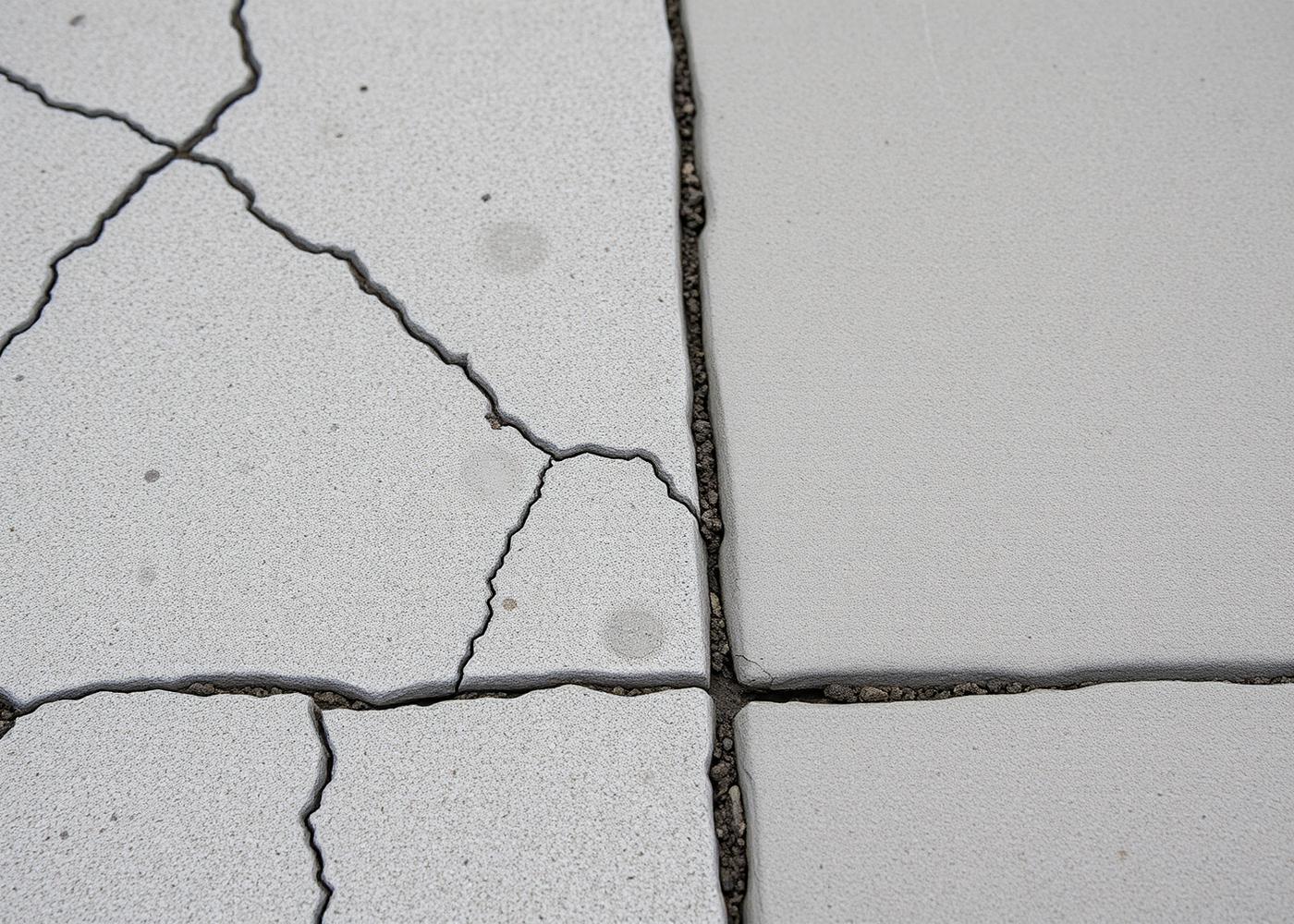
Garage floors in Northern Nevada take a specific kind of abuse: vehicles drive in coated with road salt and snowmelt chemicals, park, and drip that brine onto warm concrete for hours. That is the single most common cause of the pitted, flaking surface you see in older Reno garages — it is chemical and freeze-thaw damage on the surface layer, not a structural failure.
Whether that floor can be repaired, resurfaced or needs replacing depends on how deep the damage goes. Related: concrete repair, resurfacing and slab work.
New garage slabs
- Base and vapor barrier. Compacted base with a vapor barrier under the slab keeps ground moisture from migrating up into the floor and any future coating.
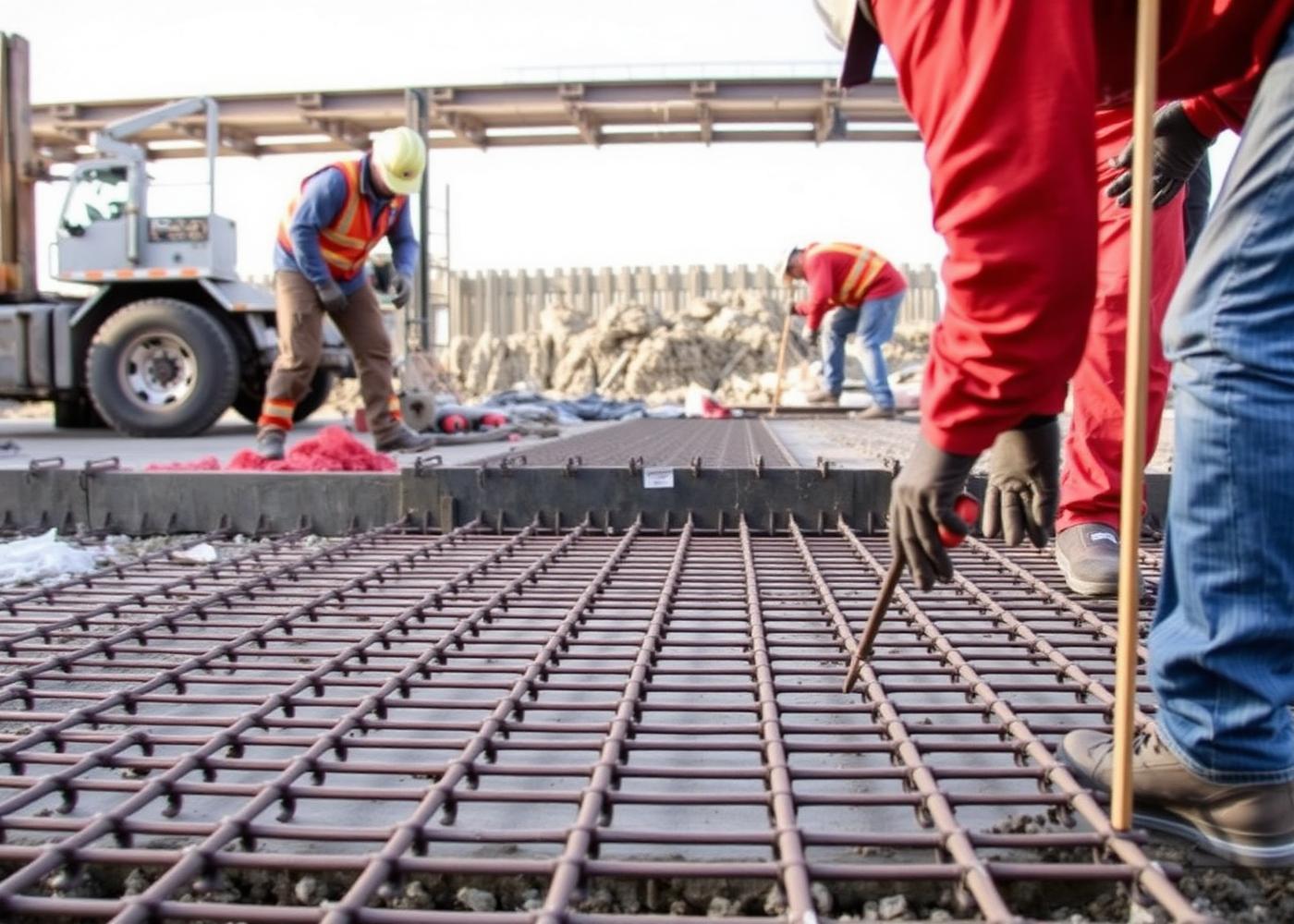
- Thickness for the use. Four inches handles cars; a shop with a lift, a truck or heavy equipment gets 5–6 inches and a heavier rebar grid, as covered under concrete slabs.
- Slope to the door. A gentle pitch out the door means snowmelt leaves rather than pooling at the back wall.
- Thickened edges and footings. Where the slab carries walls or posts, edges thicken — see footings.
- Finish. A steel-troweled finish is standard indoors and is the correct base for epoxy or polyaspartic coatings later.
Repair options for existing floors
| Condition | Typical fix |
|---|---|
| Surface spalling and pitting | Grind and overlay, or resurface |
| Isolated cracks, no displacement | Route and fill — see crack repair |
| Cracks with lifting or settlement | Section removal and repour |
| Widespread deep deterioration | Full replacement |
Keeping a garage floor intact
- Rinse the floor in late winter to clear accumulated de-icing salts
- Seal the slab, and re-seal on schedule
- Fix cracks while they are hairline rather than after water has been working in them for two winters
- Keep drips of oil and brake fluid cleaned up; they stain permanently once absorbed
The same de-icer logic applies outside — see driveway maintenance.
Questions we get asked
Concrete Garage Floors in Reno, NV: common questions
Why is my garage floor flaking near where I park?
Almost always road salt and snowmelt chemicals dripping off vehicles, combined with freeze-thaw cycling. The damage starts in the top surface layer, which is why rinsing and sealing help so much.
Can a spalled garage floor be saved?
Usually, if the slab itself is sound. Grinding and an overlay restore a flat, coatable surface. If the deterioration runs deep or the slab has settled, replacement is the better spend.
Do I need a vapor barrier under a garage slab?
Yes. Without one, ground moisture moves up through the slab and will eventually push any coating off the floor.
Where we do this work
Crews work throughout the Reno–Sparks area. Pick your community for local notes on soils, permitting and typical projects.
Free project estimates
Talk through your concrete project with someone who pours it
Describe the area, the condition of any existing concrete and how you want to use the space. You'll get straight answers on scope, sequencing and what drives the price.
Next step
Get a site-specific estimate
Concrete pricing depends on access, subgrade, thickness, reinforcement and finish, so real numbers come from looking at the site. Send the details or call (775) 324-5551.
- Walk-through of the area and existing concrete condition
- Scope, thickness, reinforcement and finish options in writing
- Clear explanation of what would change the price
- No pressure to decide on the spot